
Tool
Air purifier size calculator
Enter your room dimensions and get the minimum certified CADR, with the arithmetic shown.
The number on the box is usually the coverage at one air change an hour. The number that matters is the certified one, and there is a published rule for getting from one to the other.
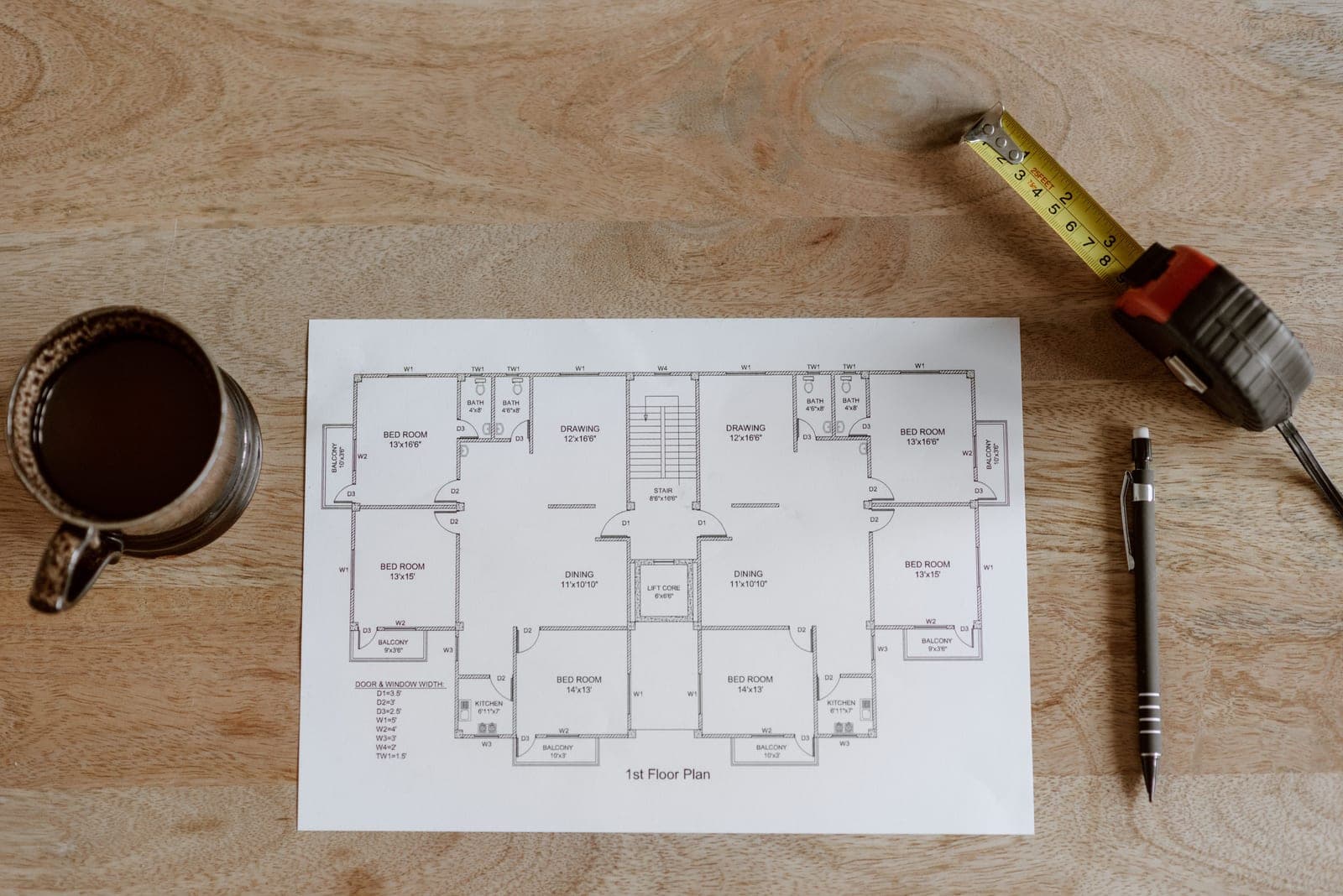
Almost every disappointing air purifier purchase is a sizing mistake. The machine works exactly as designed; it is simply too small for the room it was put in, because the number on the box and the number that matters are two different numbers and nobody explains the difference at the point of sale.
Here is the difference. Manufacturers commonly advertise coverage at one air change per hour — the floor area the unit can process once in sixty minutes. That figure is large and it is not wrong, but one air change an hour is a very slow rate for a room with a continuous pollutant source in it, like a shedding animal or an open window in pollen season. AHAM's suggested room size, the one on the certification seal, is instead based on the unit's ability to clean and circulate the air 4.8 times per hour. Same machine, same test, roughly a fifth of the floor area.
The gap is not marginal. One popular large unit advertises 2,800 square feet an hour and is certified for 574. Another advertises 1,748 and is certified for 361. A third advertises 1,718 and is certified for 358. In each case both numbers appear on the manufacturer's own page and both are technically accurate — but only one of them describes performance you would recognize as air purification.
The rule you can apply yourself. AHAM publishes it in one sentence: the CADR of your air cleaner should be equal to at least two-thirds of the room's area. So a 300 square-foot room wants a smoke CADR of at least 200. That is the whole rule, and it is worth committing to memory because it makes most of this category's marketing immediately legible.
Two things AHAM attaches to it are frequently dropped. First, the room sizes assume an 8-foot ceiling — if yours are higher, an air cleaner rated for a larger room is necessary, because the same footprint now contains more air. Second, the rule is a floor rather than a target. Clearing it means the machine can do the job at full speed. Clearing it comfortably means it can do the job at a speed you can sleep next to, which in a bedroom is the difference between a purifier you use and one you unplug.
Which is why the bedroom is a special case. It is the room where an air purifier is most likely to help, because it is where you spend eight uninterrupted hours, and it is also the room where noise decides whether the machine gets used at all. The usual failure is buying to the bedroom's exact square footage, discovering that the required fan speed is intrusive, and settling on the lowest setting where the effective CADR is a fraction of the certified figure. Buying one size up and running it low costs a little more up front and is dramatically more likely to still be switched on in six months.
Small rooms have the opposite problem. A great many units sold as "bedroom" purifiers are certified for well under a hundred square feet. One extremely popular compact model is certified for 53 — a desk, a walk-in closet, a car. It is a perfectly good machine for 53 square feet. In a 200 square-foot bedroom it is decoration.
Placement is worth more than most upgrades. A purifier needs unobstructed intake and outlet; pushed against a wall behind a chair, a machine can be circulating a small pocket of its own clean air while the rest of the room is untouched. Near the source is better than far from it, which is why a litter corner or a dog bed is often the right spot rather than the geometric center of the room. And a closed door is your friend: a purifier sized for a bedroom is not sized for a bedroom plus the hallway plus the landing.
Use the calculator. It applies AHAM's rule with your actual dimensions and ceiling height, shows the arithmetic rather than hiding it, and tells you the minimum certified CADR to look for. Then check that number against the certified figures on any unit here — all of which link back to the register they came from.
Enter your room dimensions and get the minimum certified CADR, with the arithmetic shown.
Certified picks with enough headroom to run quietly all night, and zero measured ozone.
Honeywell InSight HPA4300
229 CFM certified · 354 sq ft
#ad We earn a commission if you buy through this link, at no extra cost to you. How this site is funded.
Certified for 500+ square feet, ranked on real coverage and what each costs to run.
Blueair Blue Pure 211i Max
435 CFM certified · 674 sq ft
#ad We earn a commission if you buy through this link, at no extra cost to you. How this site is funded.
Certified coverage for rooms under about 200 sq ft, and the popular units that do not reach it.
Honeywell InSight HPA4100
109 CFM certified · 169 sq ft
#ad We earn a commission if you buy through this link, at no extra cost to you. How this site is funded.
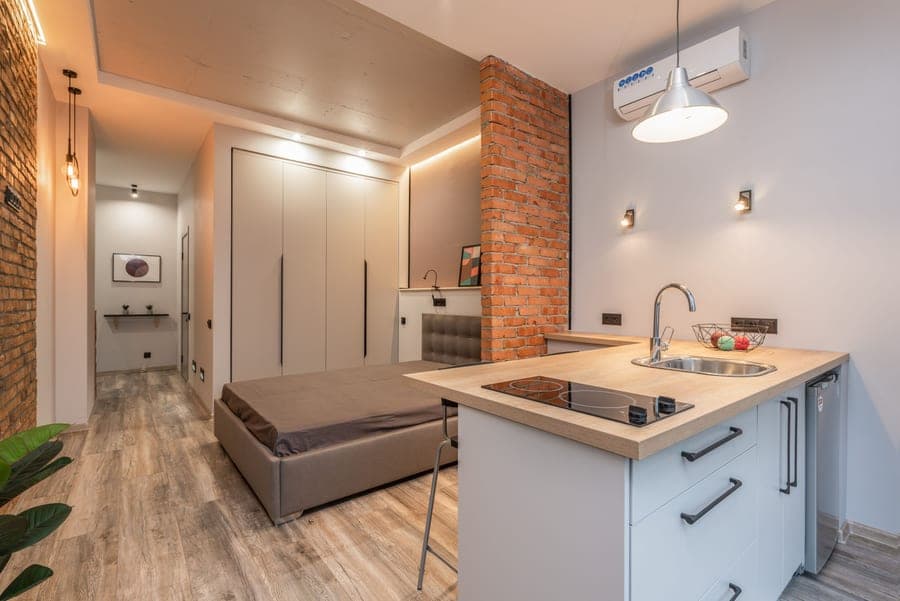
Sizing for small connected spaces, dealing with neighbors' smoke and cooking, and keeping the bill down.
Honeywell InSight HPA4300
229 CFM certified · 354 sq ft
#ad We earn a commission if you buy through this link, at no extra cost to you. How this site is funded.
Clearances, proximity to the source, and the placement mistakes that quietly waste half a machine.
What the dB range means, why the low figure is the only one that matters, and how to buy quiet.